Museum Icon: A Versatile Graphic Design Asset for Commercial Projects
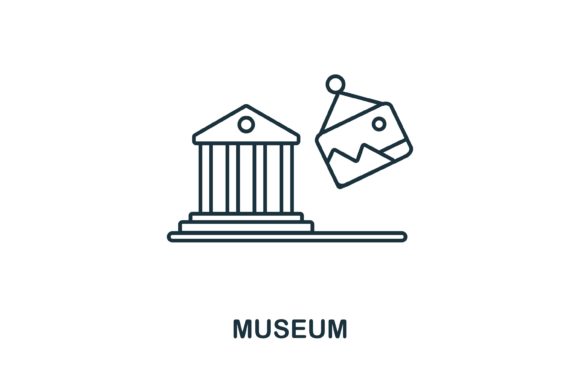
As an experienced digital product creator, I often find myself evaluating new graphic design assets to determine their value and usability in commercial contexts. Recently, I had the chance to review Museum Icon, a line-style symbol from what appears to be a "Big City Life" themed collection. This icon is described as a clean museum outline suitable for infographics, web design, and more. Let’s dive into how it could work—or not work—for online sellers.
First Impressions and Visual Personality
The first thing that stands out about Museum Icon is its simplicity. It’s a minimalist line drawing of a museum building, which gives it a modern and elegant feel. The visual personality leans toward urban and cultural themes, making it ideal for designs targeting lifestyle, travel, education, or creative industries. It doesn’t scream “playful” or “festive,” but rather exudes a calm sophistication that can fit neatly into both professional and handmade aesthetics.
This kind of icon has a broad niche appeal. It could resonate with small business owners selling educational products, bloggers creating content around city culture, or print-on-demand shops focusing on metropolitan-themed merchandise. If your brand identity revolves around clean, contemporary visuals, this icon may align well with your existing style.
Real-World Applications for Digital Sellers
Museum Icon isn’t just another vector—it’s a versatile graphic design asset that can serve multiple purposes. Here are some practical use cases where it could shine:
- SVG Products: Ideal for Cricut or Silhouette projects, especially if you're making sticker designs or SVG cut files for T-shirts, mugs, or tote bags.
- Printable Wall Art: Its bold lines make it great for large-scale prints. Think about using it in a city life-themed art bundle or a premium printable pack.
- Canva Templates: Incorporate it into social media graphics or blog headers for brands focused on culture, learning, or urban living.
- Planner Stickers: Use it in planner templates to denote days at museums or cultural events. Pair it with a serif font for a classic look or a script font for something more personal.
- T-Shirt Graphics: Especially for unisex tees aimed at adults—its subtle tone won’t overwhelm casual wear.
- Greeting Cards: A thoughtful design for birthday cards celebrating a love of art or travel.
- Digital Paper Packs: Add it as a decorative element in scrapbooking or journaling kits with a city theme.
- Sublimation Designs: Test it on tumbler wraps or phone cases where a soft, monochrome aesthetic works best.
For Etsy sellers and creative marketplace users, this icon adds a touch of refinement without being too loud. It fits naturally into lifestyle collections and supports visual storytelling around urban experiences.
Product Presentation and Buyer Appeal
When it comes to presenting Museum Icon effectively, there are several factors to consider. First, it’s important to test it across different product mockups. Try placing it on a white background for maximum clarity or overlay it subtly on a textured surface for a more artisanal vibe.
Thumbnail appeal is key on marketplaces like Etsy or Creative Fabrica. Since it’s a single icon, pairing it with other related graphics (like theater signs or gallery icons) in a cohesive design bundle will help increase perceived value and click-through potential. Make sure to highlight its inclusion in multiple file formats—EPS, AI, SVG, and JPG—to show versatility for different platforms and uses.
Also, check how it looks when scaled down. While it performs well on larger prints and digital canvases, it might lose detail in tiny sticker sizes or intricate layouts. That said, for most standard product applications, it holds up beautifully.
Where Museum Icon Works Best
Here are the top scenarios where Museum Icon truly shines:
- Large Product Previews: Whether it's for a poster or a wall decal, its crisp lines ensure clarity even at high scale.
- Themed Bundles: Combine it with other city icons for a cohesive set of design assets. These can be sold as clipart bundles or Canva template packs.
- Decorative Layouts: Perfect for greeting cards, invitations, or printable calendars with a cultured, sophisticated edge.
- Merchandise Graphics: Works well on tote bags, water bottles, and mugs—especially if your target audience includes art lovers or frequent travelers.
- Social Media Promos: Use it in Instagram Stories or Facebook banners to represent art-related topics or events.
- Creative Marketplace Listings: As part of a design bundle or standalone SVG file, it can add value to digital downloads without complicating the layout.
Its neutral tone also makes it a good candidate for brand consistency. If you’re building a library of icons for a recurring theme—say, a travel or cultural series—this one can serve as a reliable anchor.
Potential Pitfalls and Seller Warnings
While Museum Icon is impressive in many ways, there are areas where it should be used carefully:
- Small Sticker Details: The fine lines may become difficult to cut or print clearly on very tiny surfaces. Always preview at 100% before finalizing any Cricut project.
- Overly Complex Layouts: Don’t try to cram too many elements around it. Keep the visual hierarchy simple so the icon remains legible and effective.
- Low-Resolution Prints: For printed materials, always verify the resolution of your final output. Even though it’s a vector, improper scaling can lead to pixelated results.
- Crowded Thumbnails: Avoid cluttering your Etsy listing images with too many icons. Focus on showcasing it in isolation or within a minimalistic design context.
- Dark Backgrounds: The line style works best against lighter tones. On darker backgrounds, consider adding a subtle white stroke or shadow to maintain contrast.
- Text-Heavy Templates: In busy designs like flyers or brochures, let the icon act as a supporting visual rather than the main focus.
For those planning to include it in digital paper packs or handmade business products, double-check the transparency of PNG files and the scalability of SVG versions. A quick test print or digital mockup can save you from customer complaints later on.
Testing Before You Publish
Before publishing any product that features Museum Icon, I recommend doing the following:
- Mockup Preview: Place it on a realistic product mockup to see how it interacts with lighting and texture.
- Thumbnail Testing: Create variations of your listing image to see which presentation draws the most attention.
- Background Contrast: Try it on both white and dark backgrounds to assess visibility and adjust accordingly.
- Font Pairing: Test it with various typography styles—serif fonts for a more traditional look, sans serif for modernity, or display fonts for branding materials.
- Commercial Licensing: Confirm the seller provides a clear commercial license. This is essential for anyone planning to resell finished products or templates.
Organizing your files is equally important. Group them by format (SVG, PNG, EPS), and offer clear naming conventions so customers know exactly what they’re getting. This helps build trust and professionalism in your listings.
Final Thoughts for Digital Product Creators
In summary, Museum Icon is a solid addition to your graphic design toolkit. It brings a sense of place and purpose to any design project, particularly those centered around culture, learning, or city life. However, it’s not a one-size-fits-all solution. Its effectiveness depends heavily on the context in which you use it.
If you're a blogger designing promotional visuals for a cultural event, a print-on-demand merchant looking to launch a seasonal collection, or a Canva template seller aiming to build a lifestyle brand, this icon can support your goals with minimal fuss. But if you're working on highly detailed, text-heavy, or low-resolution products, take extra precautions to ensure it doesn’t get lost in the noise.
Always remember to test, refine, and optimize. Your buyers expect quality and clarity—and with the right preparation, Museum Icon can help you deliver just that.