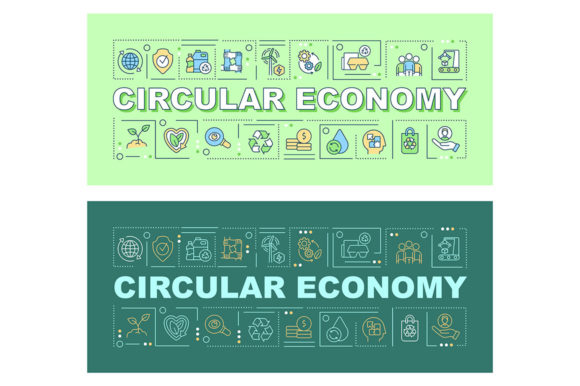
Circular Economy Word Concepts Banners for Modern Web Graphics
First Impressions and Editorial Mood
When I first opened the Circular Economy Word Concepts Banners set, it was clear that this graphic design asset had been crafted with intention. The bold use of isolated typography, paired with clean icons and vibrant color backgrounds, immediately signals a modern, eco-conscious editorial tone. These banners feel both professional and approachable—perfect for content creators who want to communicate sustainability without sacrificing visual impact.Real Publishing Use Cases
- Blog Featured Images: The high-impact visuals work beautifully as featured images for articles around circular economy topics. Their clean lines and bold colors stand out in feeds and thumbnails.
- Pinterest Graphics: The vertical format options and bright color schemes lend themselves perfectly to Pinterest. Pinning one of these banners with a catchy headline boosts click-through potential significantly.
- Article Headers: As section headers within long-form content, they break up dense paragraphs and draw attention to key concepts like “Recycle Waste” or “Resource Efficiency.”
- Newsletter Banners: When placed at the top of a monthly newsletter, they instantly align with the theme and add a polished, intentional look.
- Digital Guides and Lead Magnets: For downloadable resources such as infographics or quick-reference sheets, these banners provide a compelling cover image that reinforces the topic.
- Canva Templates: Integrating these into Canva templates allows for fast, consistent creation of content upgrades, social media posts, or promotional assets.
Visual Hierarchy and Reader Engagement
One of the most important aspects of effective web design is ensuring that readers can quickly grasp the main idea. The Circular Economy Word Concepts Banners do this exceptionally well by placing keywords in large, legible fonts. This creates a clear visual hierarchy where the message is immediately apparent, even at a glance.Where These Banners Shine
- Hero Images: A banner featuring phrases like “Sustainable Solutions” or “Zero Waste Future” can anchor your homepage or article landing page.
- Thumbnail Previews: Whether for YouTube videos, podcast episodes, or article teasers, these banners maintain their clarity and punch at smaller sizes.
- Editorial Accents: Use them to highlight quotes, case studies, or key takeaways in your blog posts or editorial magazines.
- Content Upgrades: Pair them with free downloadable guides or worksheets to create a sense of value and urgency.
- Social Media Previews: Their structured layout ensures they render well as Instagram carousels, Twitter headers, or LinkedIn post accents.
Design Considerations and Best Practices
- Small Mobile Thumbnails: Some variations may lose readability when scaled down too much. Always test them at thumbnail size before final deployment.
- Text-Heavy Blog Images: Avoid overlaying too much text on top of these banners. Let the banner itself carry the message to keep it visually balanced.
- Low-Contrast Backgrounds: Since they rely on color to stand out, ensure the background of your page or site doesn’t clash or dilute their visibility.
- BUSY Layouts: In complex designs with many visual elements, these banners could become overshadowed. Use them strategically in simpler sections for maximum impact.
- Corporate or Minimalist Niches: While generally modern, the stylized nature of these banners might not fit seamlessly with ultra-minimal or traditional business branding. Adjust accordingly.
Practical Publisher Notes
As a seasoned blog designer, here are my top tips for integrating the Circular Economy Word Concepts Banners into your workflow:Test Responsiveness: See how each banner looks on desktop and mobile screens. Resize and reposition them to ensure they don’t distort or lose clarity on smaller devices.
Try Different Fonts: While the banners use Arial-Black, experiment with how they pair with serif, script, or handwritten fonts in adjacent text blocks to maintain harmony in your design system.
Review File Size: If you’re using raster versions, compress them appropriately for web performance. Large file sizes can slow down load times, especially on mobile connections.
Confirm Commercial Licensing: Before using these in monetized websites, affiliate pages, or paid digital products, double-check the commercial license terms. Many creative marketplaces require explicit permission for certain uses.